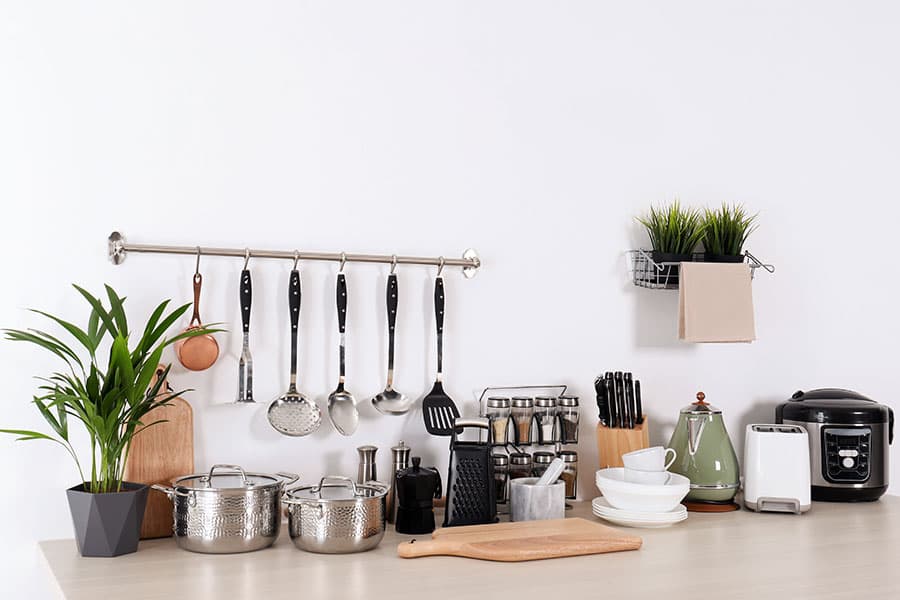

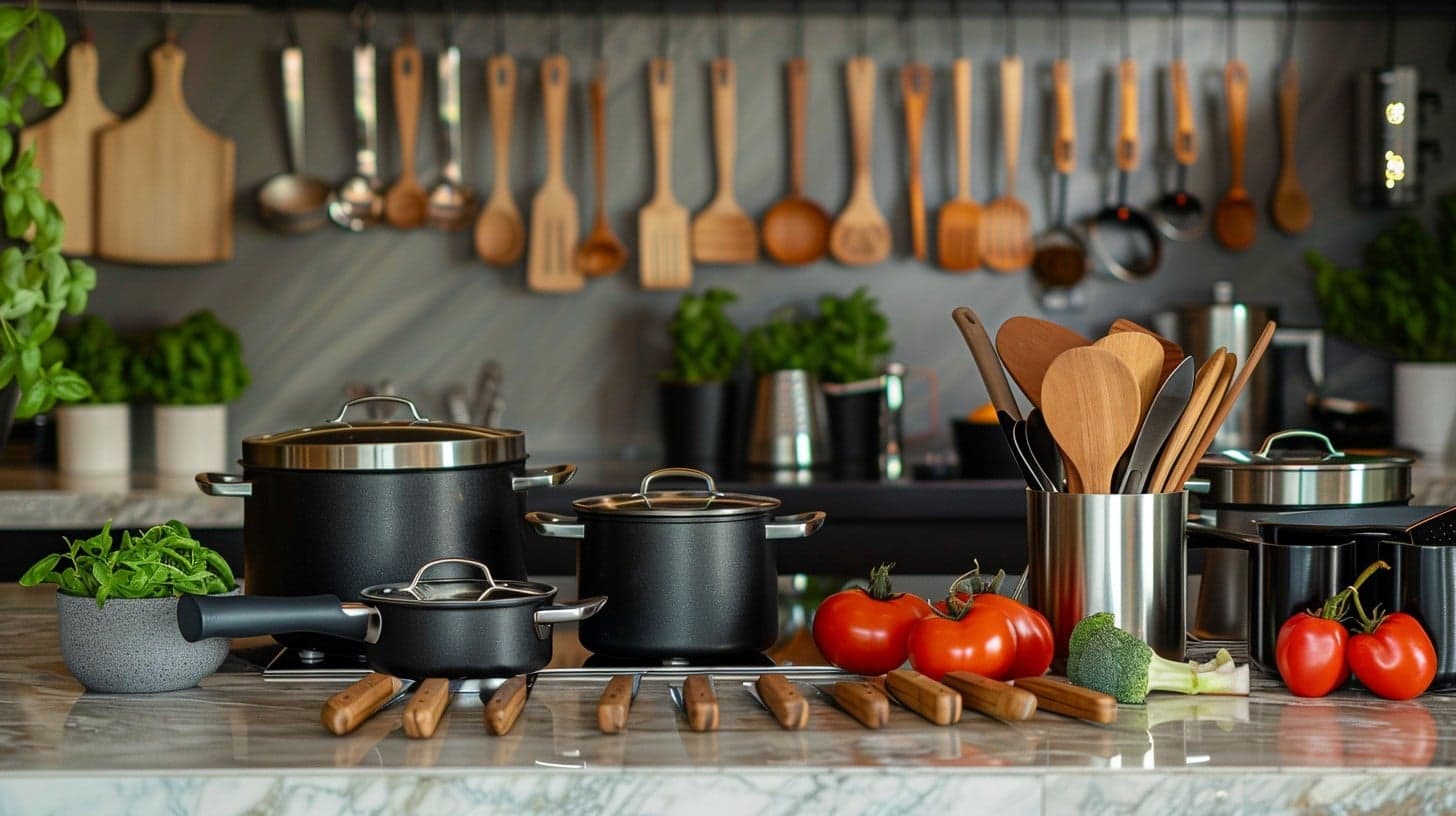
Cooking dinner shouldn't feel like an endless marathon of slicing onions with watery eyes and ragged fingers. In professional kitchens, chefs can dice three kilos of vegetables in minutes not because they are superhuman, but because they have mastered basic kinetic knife mechanics.
1. The Grip: Ditch the Handle-Only Hold
Most beginners wrap all five fingers around the handle like a hammer. This causes the blade to wobble and tires out your forearm. Instead, adopt the Pinch Grip: pinch the base of the blade (the bolster) between your thumb and curved index finger, then wrap your remaining three fingers gently around the handle. The knife becomes a natural, balanced extension of your wrist.
Safety First: The 'Bear Claw'
Always curl the fingers of your guide hand inwards like a bear claw, resting the flat side of the knife blade against your knuckles. Your fingertips remain tucked under and away from the cutting path.
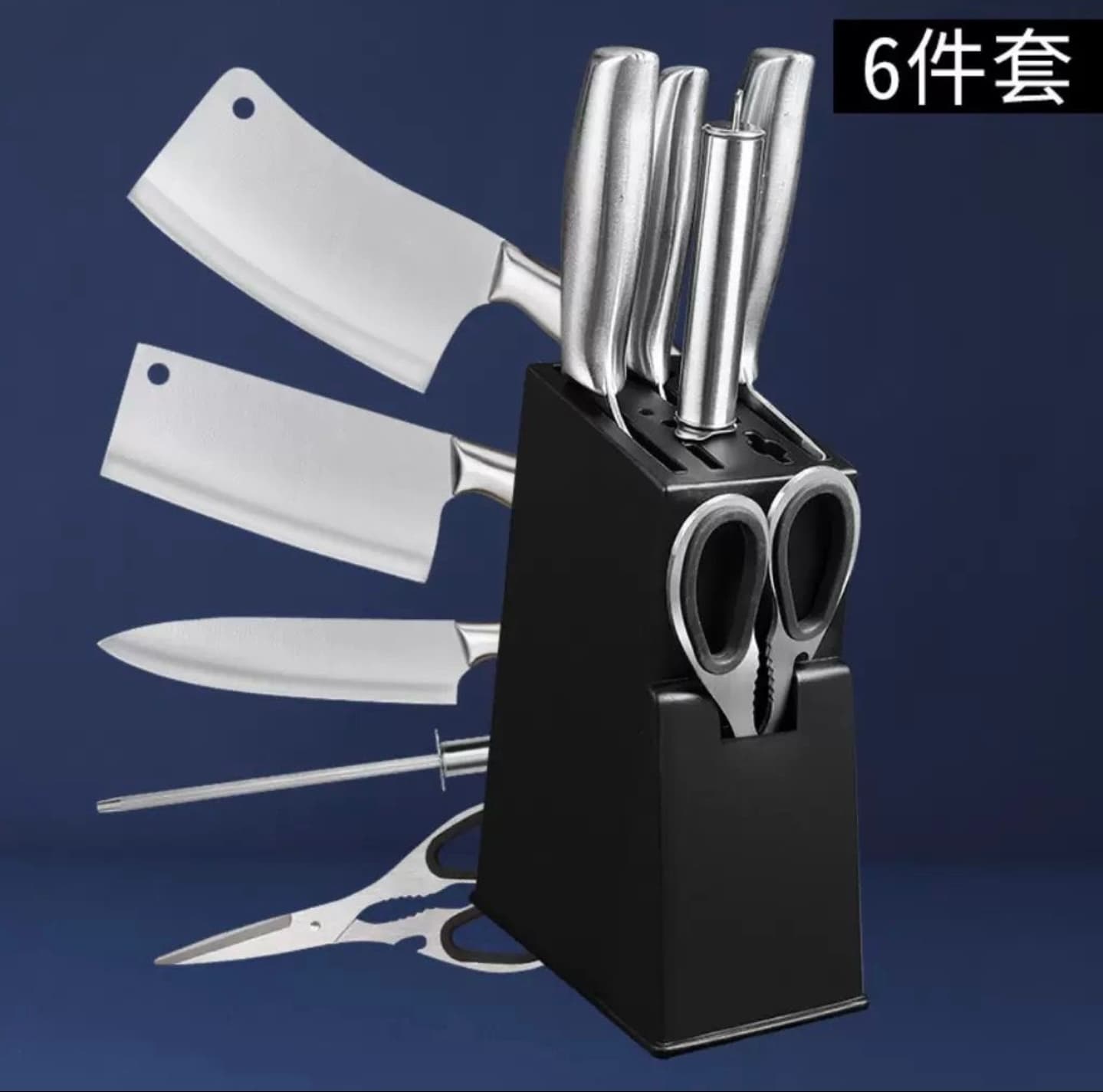
2. The Four Fundamental Culinary Cuts
- Julienne (Matchsticks): Slicing root vegetables into thin 2-3mm sticks for crisp stir-fries and fresh slaws.
- Brunoise (Fine Dice): Taking your julienne sticks and cutting across them to create immaculate 2mm cubes.
- Chiffonade (Ribbons): Stacking leafy greens like spinach, basil, or ugwu, rolling them tightly like a cigar, and slicing into delicate ribbons.
- Rough Chop (Mirepoix): Equal-sized rustic chunks ideal for slow-simmering stocks, stews, and braises.
3. Blade Maintenance: Honing vs. Sharpening
Understand the difference: a honing steel doesn't remove steel; it re-aligns the microscopic teeth of the blade that bend during everyday use. Hone your knife every 2 to 3 sessions. True sharpening on a whetstone or professional grindstone is only necessary once or twice a year.