
Have you ever found yourself in the middle of searing fresh ingredients only to scramble across the room searching for a silicone spatula or ground pepper? In professional restaurant kitchens, this friction is eliminated through a strict discipline known as 'Mise en place' — everything in its place. Applying this mindset to your home kitchen doesn't require a commercial remodel, just intentional organization.
1. The 5-Zone Kitchen Layout System
Modern ergonomic studies break kitchen efficiency down into five interdependent work stations. Arranging your utensils and pantry according to these zones cuts your physical footsteps in half during an average dinner preparation:
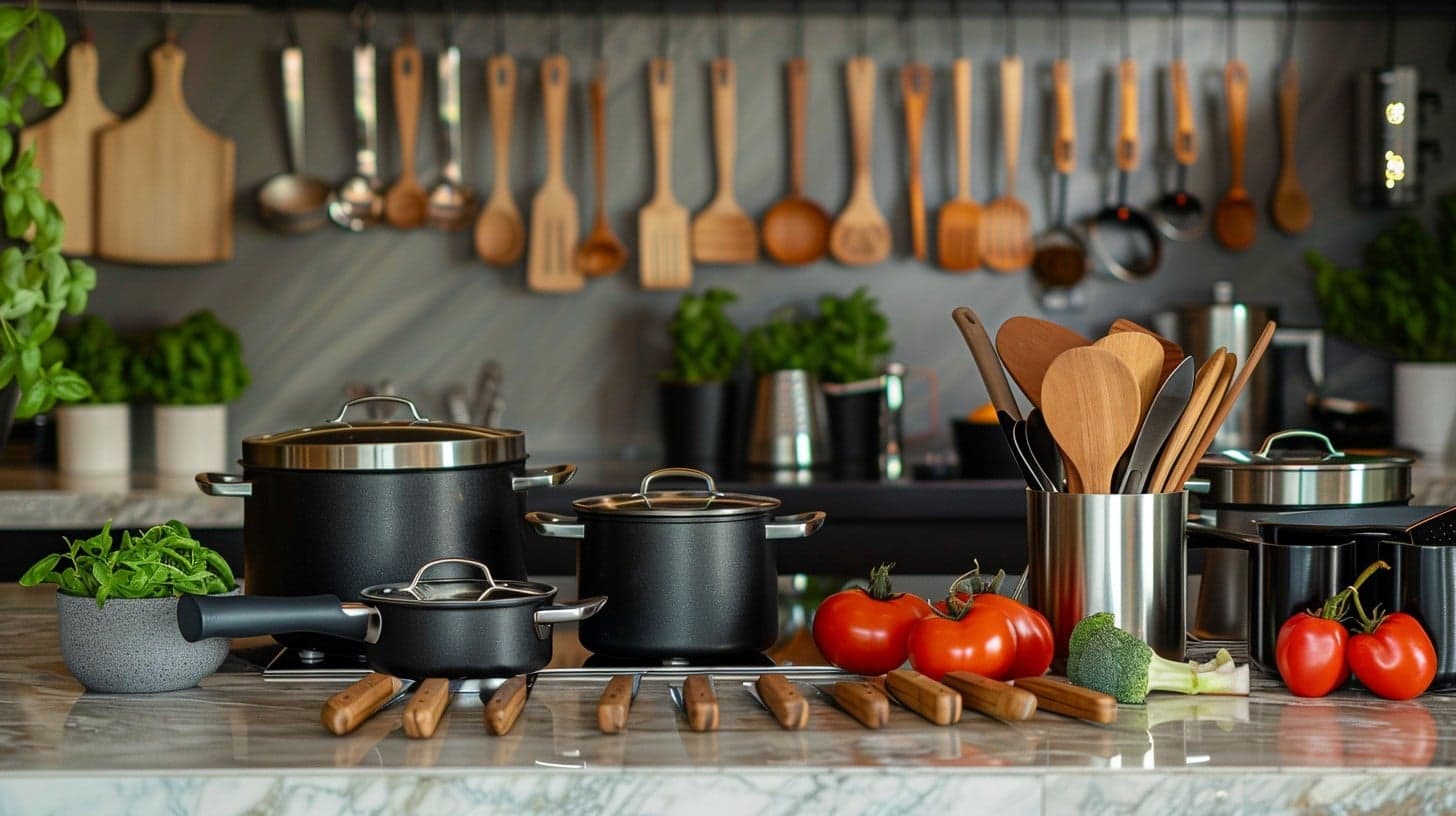
- Cooking Zone: Pots, pans, turning ladles, oil dispensers, and spices right next to the hob.
- Preparation Zone: Cutting boards, chef knives, mixing bowls, and peelers positioned near the main work surface.
- Cleaning Zone: Sink, dish racks, compost/trash bins, and microfiber cloths.
- Consumables Zone: Fridge, fresh pantry baskets, and everyday produce.
- Non-Consumables Zone: Dinner plates, glassware, cutlery, and serving bowls.
Pro Chef Tip
Test your 'cooking triangle' (the path between your stove, refrigerator, and sink). If your primary trash can or utensil drawer obstructs this path, immediately relocate it to free up movement.
2. Clear the 'Golden Countertop' Real Estate
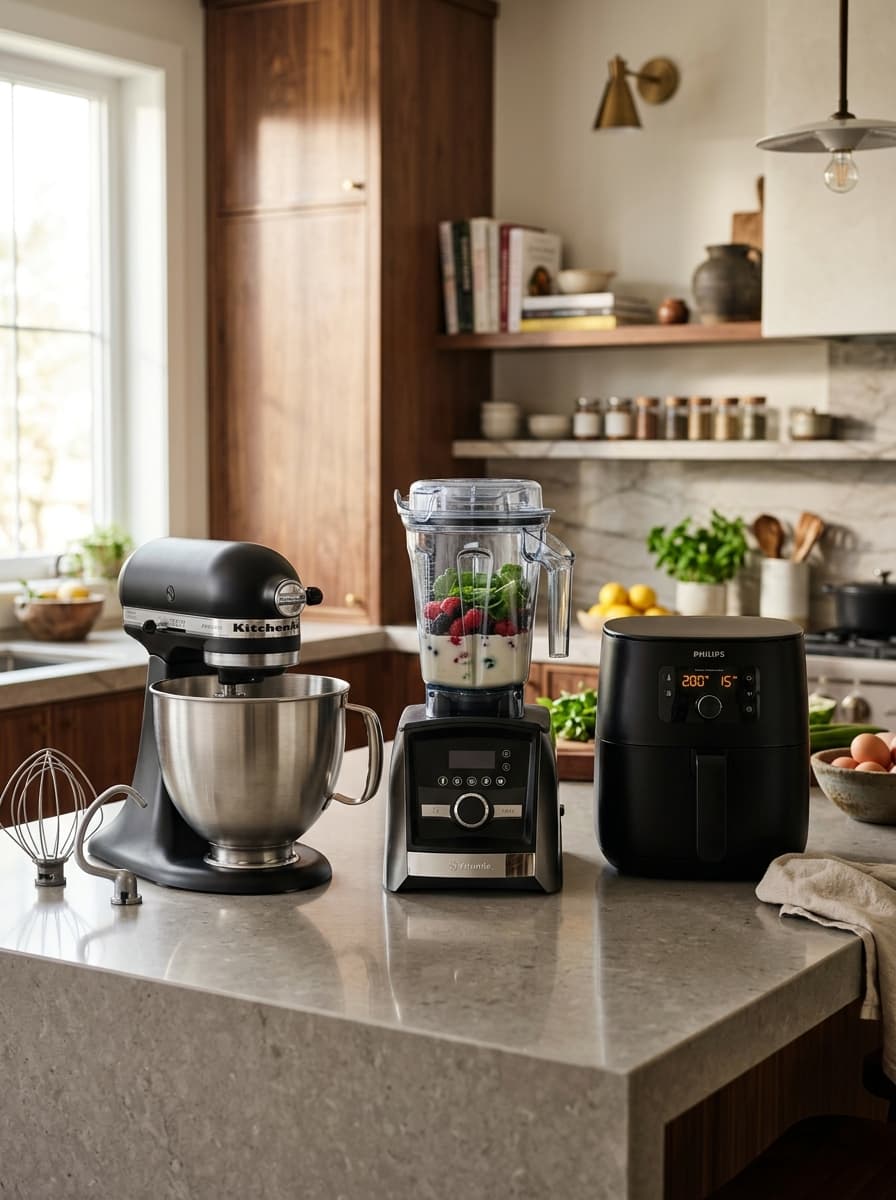
Every item resting on your countertop requires you to clean around it and steals precious chopping room. Adopt the golden rule: only appliances used more than 4 times a week (such as your electric kettle or primary knife block) earn permanent counter status. Everything else belongs in lower cabinets or dedicated pull-out shelves.
3. Harness Vertical Space & Drawer Dividers
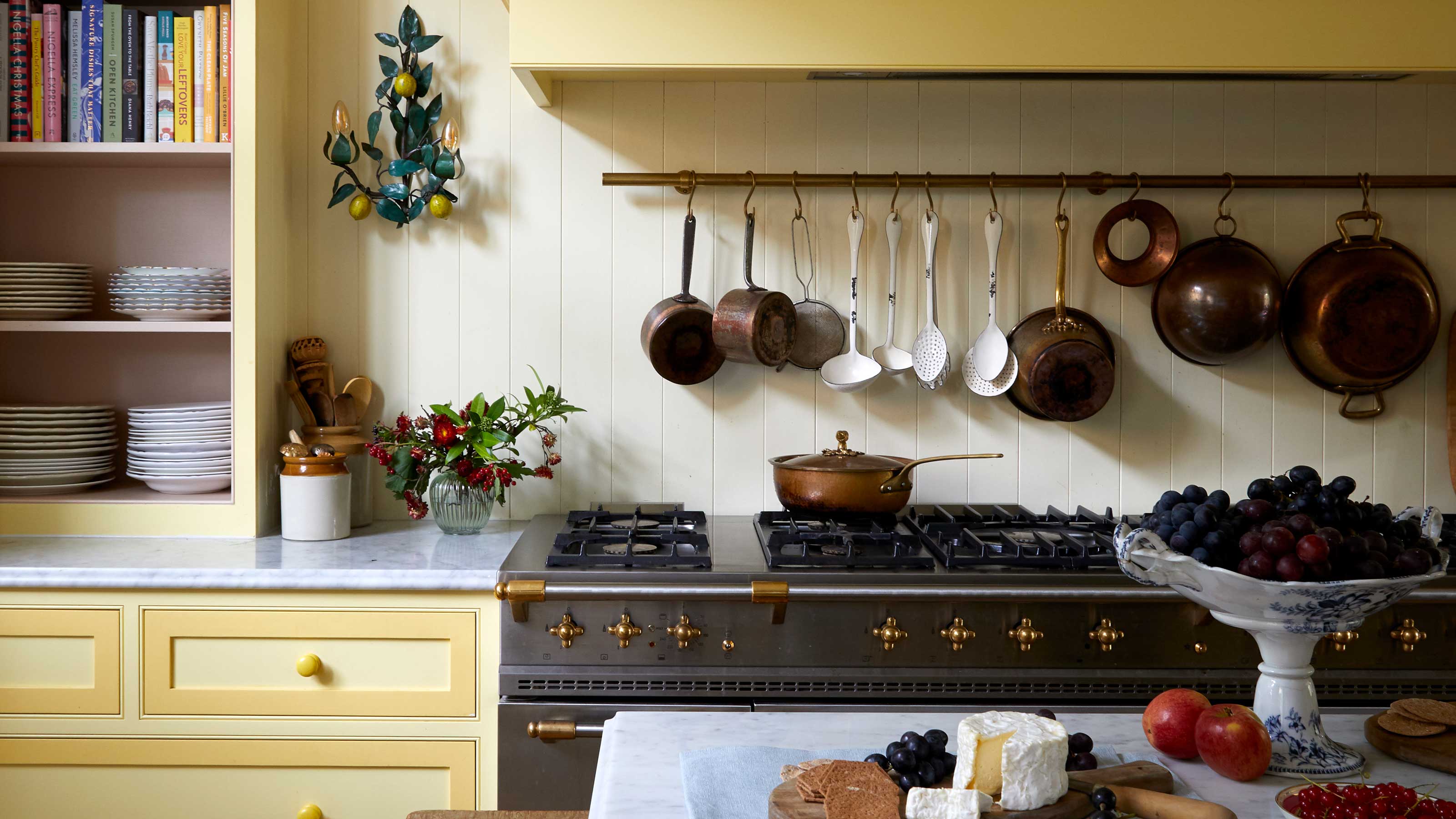
Stacking baking sheets, cutting boards, and frying pans flat creates a frustrating avalanche whenever you need the bottom pan. Instead, install vertical tension rods or wire rack organizers so each tray and lid slides out effortlessly like a book from a library shelf.
“"Organizing your kitchen is not about minimalism; it is about respecting your ingredients and the energy you bring into cooking for the people you love."
— Peace Chimezie
4. Decanting: The Power of Visual Inventory
Transfer dry staples like rice, beans, flours, and pasta into matching glass or BPA-free airtight jars. Not only does this protect your pantry against humidity and pests, but it also reveals your stock levels at a single glance so you never overbuy or run out mid-recipe.