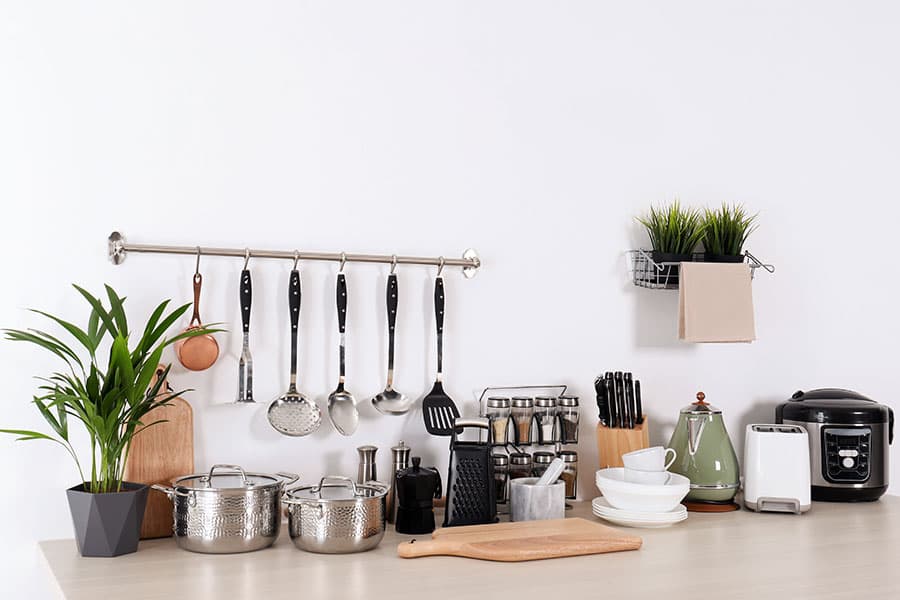
Few culinary debates in Africa ignite as much passion as Jollof rice. While cooks fiercely debate the spice mix — bay leaves, white pepper, curry powder, and thyme — professional chefs know that even the most exquisite blend falls flat if cooked in an uneven, thin-bottomed pot that burns the rice before the grains have softened.
The Pot: Why Thin Aluminum Will Ruin Your Rice
Jollof requires two distinct thermal phases: an initial rapid reduction of the tomato stew, followed by a gentle, sustained low-heat steam that tenderizes parboiled long-grain rice in rich broth. Thin pots create localized hot spots directly over the flame, burning the sauce to a bitter char before the core of the rice is cooked. A heavy cast iron Dutch oven or a 3-ply encapsulated stainless steel pot distributes heat uniformly across the entire base and sidewalls.
The Science of 'Party Smoke'
The coveted smoky aroma in Jollof comes from the controlled caramelization of the natural sugars in onions and tomatoes at the bottom of the pot. A heavy-bottom pot allows this caramelization without turning into bitter acrid ash.
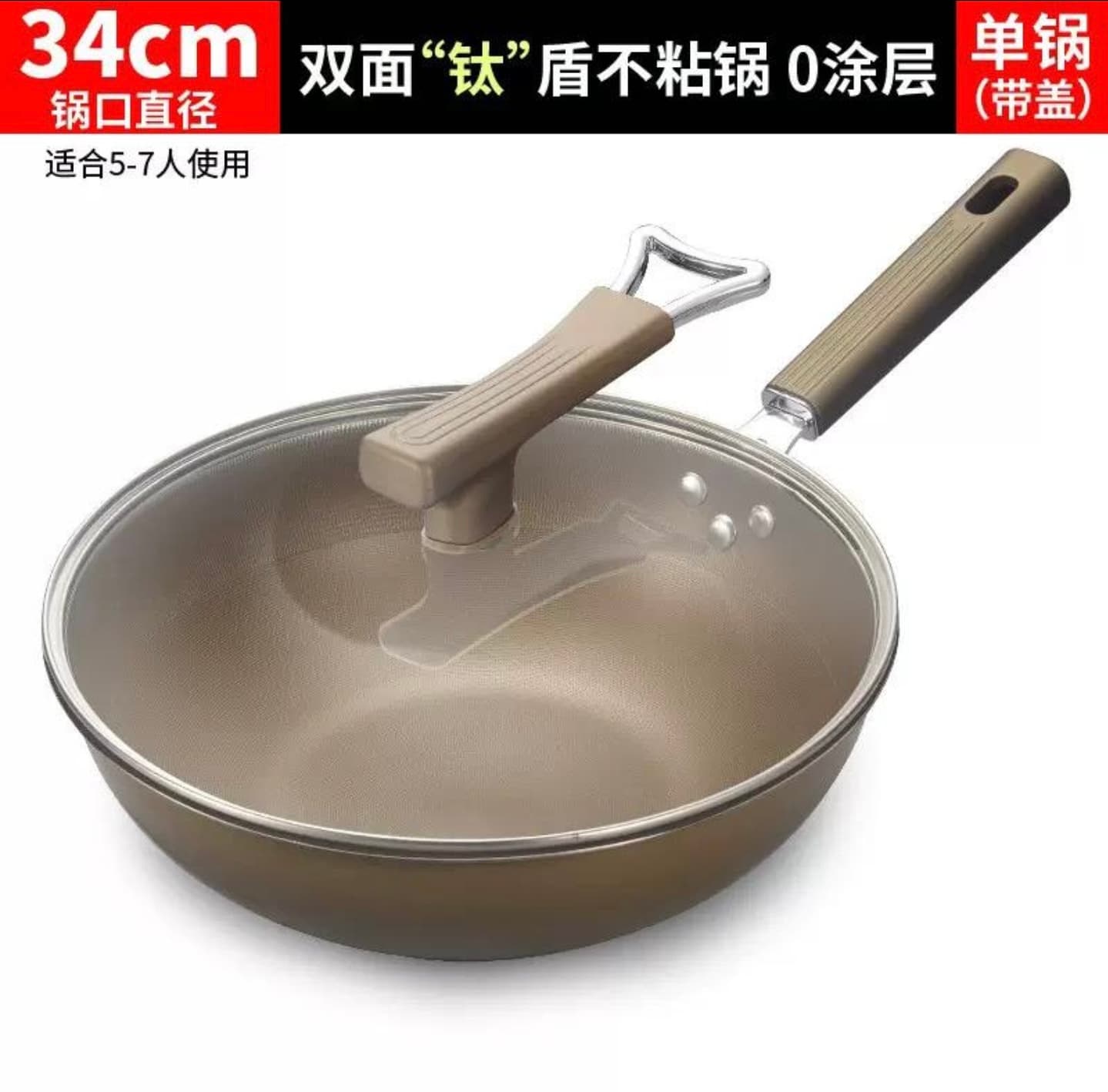
The Steam Seal Technique
Water doesn't cook great Jollof; trapped steam does. Excessive liquid turns grains mushy and clumpy. Once your broth is seasoned and rice added, seal the pot securely with heavy-duty foil before clamping down the lid. This traps 100% of the aromatic moisture inside, forcing heat into the centre of every single grain.
The Spoon Matters: Avoid the Slotted Metal Spoon
Using a sharp metallic spoon can slice through delicate parboiled grains and scratch non-stick pot coatings. Opt instead for a broad heat-resistant silicone turning spatula or a traditional wooden spoon. Fold the rice from bottom to top gently no more than twice during the entire cook to maintain individual, fluffy grain separation.
“"Great Jollof is never rushed. When you hear the soft crackle at the bottom and smell sweet roasted peppers, you know perfection is ready."
— Peace Chimezie